
Tesla bumper: cover, absorber, or reinforcement — which part do you replace?
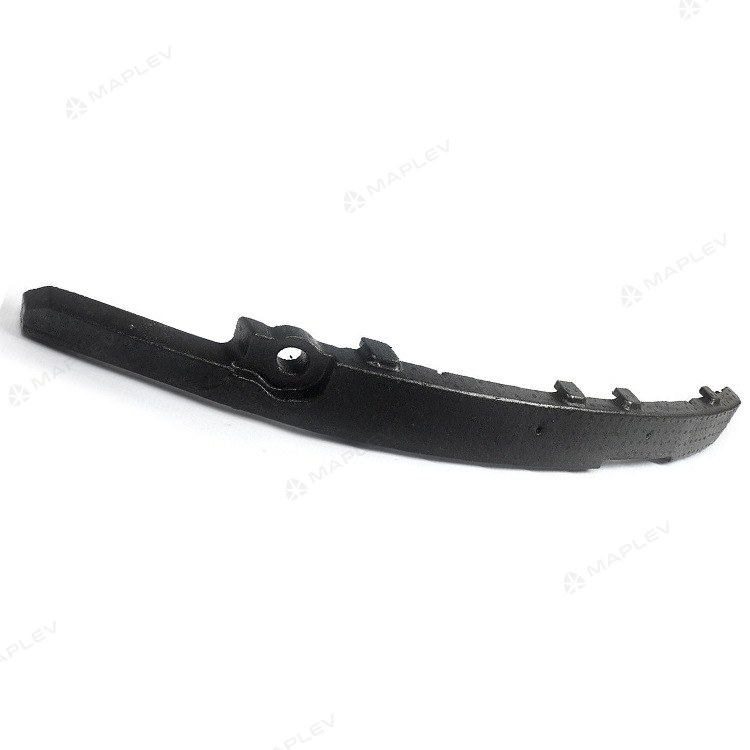
Short answer: what looks like one bumper is really three parts stacked front to back — the plastic bumper cover (the painted skin you see), a foam or plastic energy absorber behind it, and a metal reinforcement bar (impact bar). Knowing which one is damaged tells you what to actually order.
As a rule of thumb: the cover gets replaced for cosmetic damage; the energy absorber is treated as a one-time-use part and replaced after an impact; the reinforcement bar is replaced only when it's bent, twisted, or cracked.
The three layers, front to back
Bumper cover: the flexible painted plastic skin. It's mostly about appearance and aerodynamics rather than crash protection, so light scuffs may buff out while cracks or tears mean a new cover.
Energy absorber: the foam or plastic block between the cover and the bar. It crushes during an impact to slow the force reaching the structure — and once crushed it stays crushed, so it's considered a one-time-use part that's replaced during collision repair even if it looks intact. Reinforcement bar (impact bar): the metal beam behind the absorber that spreads impact load. It's replaced when bent, twisted, or corroded, because straightening or welding won't restore its original strength.
How to decide what to order
Light contact, cracked or scuffed skin only: usually just the bumper cover (plus paint). A harder hit: plan on the absorber too, since it doesn't recover. A heavy hit that pushes the bar back or bends it: add the reinforcement bar and have the mounts checked.
MapleV stocks the covers, absorbers and reinforcement bars for the Model 3 and Model Y, cross-referenced to Tesla OE numbers — so you can order just the layer you need. Send us the OE number or a photo and we'll confirm.
Frequently asked
Do I need to replace the bumper absorber after a small hit?
Usually yes. The foam energy absorber crushes on impact and does not spring back, so it's treated as a one-time-use part and replaced during collision repair — even if it still looks fine from outside.
When does the reinforcement bar need replacing?
When it's bent, twisted, cracked, or corroded. A damaged impact bar can't distribute crash load properly, and straightening or welding won't restore its strength, so it's replaced rather than repaired.
Can I just replace the bumper cover?
For cosmetic damage where the absorber and bar are intact, yes — a new cover plus paint is enough. After a firmer impact, have the absorber (and bar, if pushed in) checked too.